
Restaurant website cost: what to pay in 2026
Restaurant website cost explained for 2026: what a menu, reservations and online ordering site should cost, and how to avoid delivery app commission.
By CINEM Team
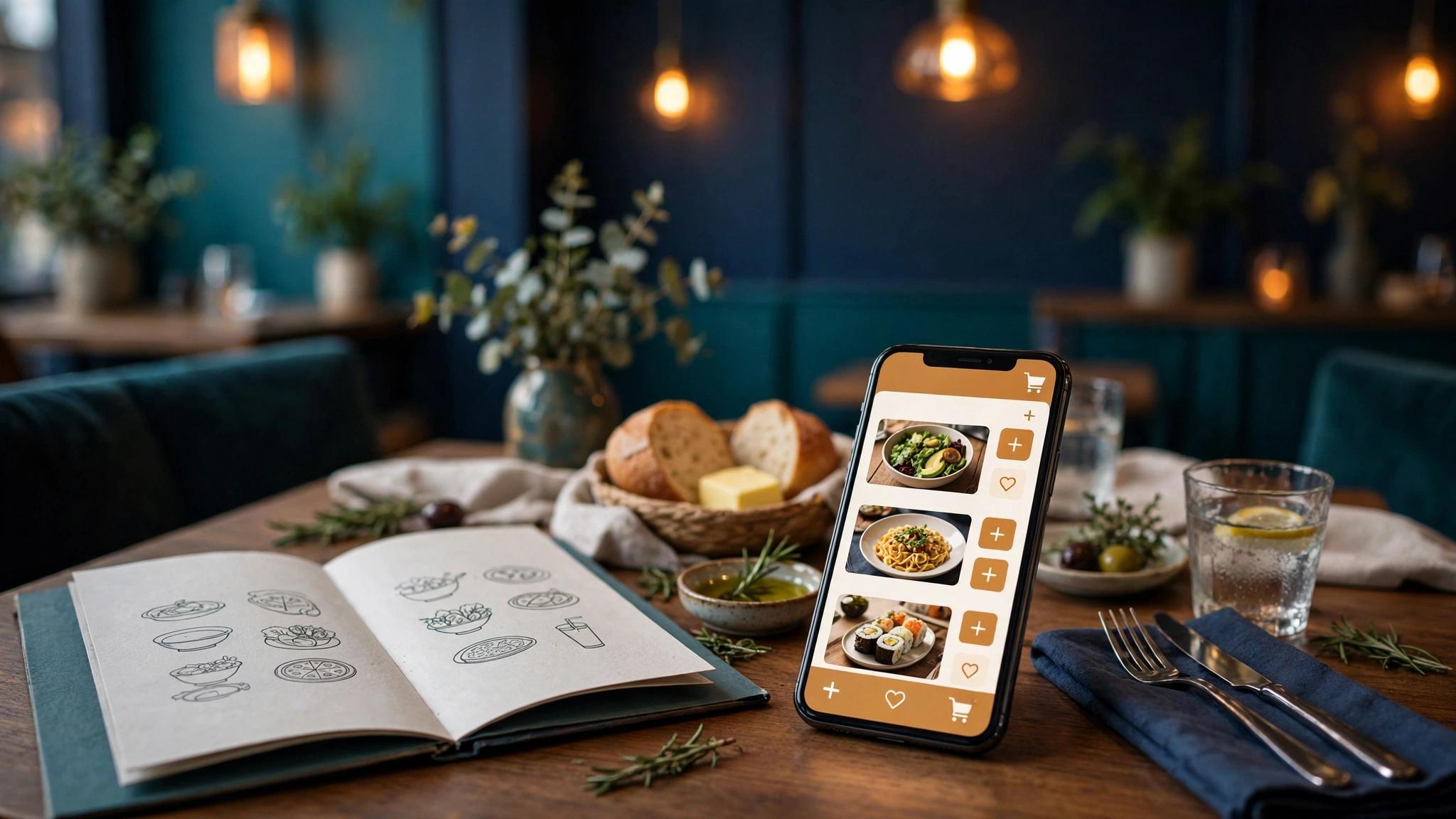
If you run a restaurant, your website is not a brochure. It is the place where a hungry person decides whether to book a table, order dinner, or move on to the next listing on Google. That decision often happens in seconds, on a phone. A good restaurant website makes it easy. It shows the menu clearly, lets people book or order without friction, looks appetising, and gives them a reason to trust you before they walk through the door. This guide explains what a restaurant website should cost in 2026, what you actually get for your money, and how to avoid paying far more than you need to.
The short answer
For most independent restaurants, a professional marketing website costs from $1,499 with CINEM. That covers a fast, mobile-first site with your menu, photos, location, opening hours, reservations, reviews, and a clear path to order or book. If you need online ordering built into your own site, a customer account system, loyalty features, or a more complex setup, the price moves into web app territory, and a web app or SaaS MVP starts from $4,999. A mobile app starts from $4,999 as well, but most restaurants do not need one to begin with. The honest rule is simple. Pay for the site that brings in bookings and orders, not for features your customers will never use. If you want the wider picture beyond restaurants, our related CINEM post 'How much does a website cost in 2026? An honest breakdown' explains the same pricing logic across business types, from simple sites to custom software.
What a restaurant website must do
Before you compare prices, it helps to be clear about the job. A restaurant website has to do six things well. First, it must show the menu in a way people can read on a phone, including prices, dietary notes, and allergen information. Second, it must make reservations easy, either through a booking system or a clear call and booking button. Third, it must support online ordering, either directly or through a delivery partner, without sending the customer away confused. Fourth, it must look good. Food is visual, and strong photos of your dishes, your dining room, and your team do more selling than any paragraph of text. Fifth, it must show reviews and social proof, because most diners check what other people thought before they book. Sixth, it must connect cleanly to your Google profile, your maps listing, and your social pages, so opening hours, location, and contact details always match.
DIY vs freelancer vs agency
There are three normal ways to get a restaurant website built, and the right choice depends on your time, your budget, and how much the site matters to your income. Doing it yourself with a website builder is the cheapest route. You can get a basic site live for a small monthly fee, and for a very small cafe with a simple menu that may be enough. The trade-off is your time. You will be the designer, the writer, the photographer, and the person who fixes it when something breaks. Most restaurant owners do not have spare hours for that, and the result often looks like a template rather than your restaurant. A freelancer sits in the middle. You get a custom design and someone to handle the technical work, usually at a lower price than an agency. That works well when the brief is clear and the site is simple. The risk is availability. A single person can be busy, ill, or booked out, and support after launch can be slow. An agency costs more up front, but you get a team: design, development, copy, search optimisation, and ongoing support. For a restaurant that relies on bookings and delivery orders, that reliability matters. At CINEM, Website Development starts from $1,499 for a marketing website, which puts a professional agency build within reach for many independent restaurants. The question is not only what you pay on day one. It is what happens when the menu changes, the photos need updating, or the booking system stops working on a Friday night.
Online ordering and the commission maths
Online ordering is where a restaurant website can pay for itself fastest, because it changes who keeps the money. Delivery apps are useful for discovery, but they typically take 15 to 30 percent commission on every order. On a 40 dollar order, that is 6 to 12 dollars going to the platform before you have paid for food, staff, packaging, or delivery. Over a month, that adds up to thousands of dollars. If you take the same order through your own website, you keep that commission. You may still pay a small payment processing fee and a delivery cost, but the difference is large. This is why many restaurants now use delivery apps for new customers and their own website for repeat customers. The website becomes the place regulars order from, while the apps bring in people who have never heard of you. A website with its own ordering flow, even a simple one, can pay for itself in a few weeks if you do steady delivery volume. If your volume is low, a simple order button that links to your chosen delivery partner may be enough to start with.
What pushes the cost up or down
Not every restaurant website costs the same, and the differences usually come down to scope. A simple site with a menu, gallery, contact page, and reservation link is at the lower end. Costs rise when you add direct online ordering, customer accounts, loyalty points, gift cards, multi-location menus, online payment, or a table booking system with deposits. Custom photography and food styling add cost too, but they also add sales, because people order with their eyes. The number of pages matters less than people think. Ten clear pages are better than thirty thin ones. What really adds cost is custom work that has to be designed and tested from scratch, and integrations that have to talk to your till, your booking system, or your delivery provider. Costs come down when you keep the brief focused. Start with the pages and features that bring in bookings and orders. Add advanced features after launch, once real customers have shown you what they actually use. A good agency will help you make those choices, not sell you everything at once.
Ongoing costs
A website is not a one-off purchase, and it is honest to plan for the running costs. Every site needs hosting, a domain name, security updates, and occasional content changes. Menus change, prices change, opening hours change, and seasonal dishes come and go. Someone has to make those updates quickly and correctly. You also need to keep an eye on speed, mobile performance, and search visibility, because a slow site loses bookings. Many restaurants handle this with a care plan. At CINEM, Care retainers are $499, $1,499, or $3,999 per month, depending on how much support, updating, and ongoing improvement you need. A small restaurant with a stable menu may only need the lower level. If you add a WhatsApp or web chatbot to answer common questions, take bookings, and guide people to the menu, that is available from $999 setup plus $299 per month. An AI calling agent, which can answer calls and take bookings when your team is busy, is available from $1,499 setup plus $399 per month. These are optional additions. They make sense when your phone rings constantly during service and your staff cannot answer every call.
How a website pays for itself
A restaurant website pays for itself in three ways. The first is direct orders. Every order that comes through your own site instead of a delivery app keeps the commission in your business. Even a modest shift, say ten orders a week moving from an app to your own site, can save hundreds of dollars a month. The second is bookings. A clear, fast booking flow turns browsers into seated diners, especially at peak times when people compare several restaurants at once. A site that loads quickly, shows the menu clearly, and makes booking obvious will win tables that a slow or confusing site loses. The third is trust. Reviews, photos, opening hours, and a professional design all help a first-time visitor feel confident about choosing you. Our AI Chatbots service can help here too, by answering common questions instantly, such as whether you have outdoor seating, whether you cater for allergies, or how to book a large table. That keeps the customer moving towards a booking instead of leaving to ask someone else. The key is to measure it. Track how many bookings and orders come from the website, and how many shift away from delivery apps. When you can see those numbers, the website stops being a cost and becomes a clear source of revenue.
Frequently asked questions
How much does a restaurant website cost in 2026?
A professional marketing website from CINEM starts from $1,499. A more complex site with direct online ordering, accounts, or custom features starts from $4,999 as a web app or SaaS MVP. A mobile app also starts from $4,999. The right price depends on whether you need simple bookings and a menu, or a full ordering system of your own.
Do I need online ordering on my own website?
Not always, but it is usually worth it if you do regular delivery or takeaway. Delivery apps typically take 15 to 30 percent commission, while your own site keeps most of that money in your business. If your delivery volume is low, start with a clear order button and add direct ordering later.
Is a mobile app better than a website for a restaurant?
For most restaurants, no. Customers find you through Google and social media, and they expect a fast website that works on a phone. A mobile app makes sense later, for loyalty and repeat ordering, once you have a large base of regular customers who order often.
How long does a restaurant website take to build?
A focused marketing website can often be ready in a few weeks, depending on content, photos, and approvals. A site with direct ordering, payments, and integrations takes longer because each part needs to be tested carefully. Clear menus, photos, and decisions from the owner keep the project moving.
What are the ongoing costs after launch?
You should budget for hosting, domain renewal, security, and content updates. Care retainers at CINEM are $499, $1,499, or $3,999 per month, depending on the level of support you need. Optional extras include a WhatsApp or web chatbot from $999 setup plus $299 per month, and an AI calling agent from $1,499 setup plus $399 per month.
If you are ready to turn your restaurant website into a steady source of bookings and orders, CINEM can help you plan the right build, from a fast marketing website to direct online ordering and an AI chatbot that answers customers when your team is busy. Contact us at hello@cinem.tech to talk through your menu, your ordering setup, and your goals, and we will give you a clear, honest quote with no hidden extras.